
Colorado Booking Release Database
Colorado booking releases are public records that show when inmates leave county jails and detention facilities across the state. The Colorado Criminal Justice Records Act ensures these documents remain open for inspection. Sheriffs in all sixty-four counties maintain release records as part of their daily operations. You can search for this information through local agencies, online portals, and state databases. Finding release dates helps families, legal professionals, and community members stay informed about custody changes.
Colorado State Agencies for Booking Records
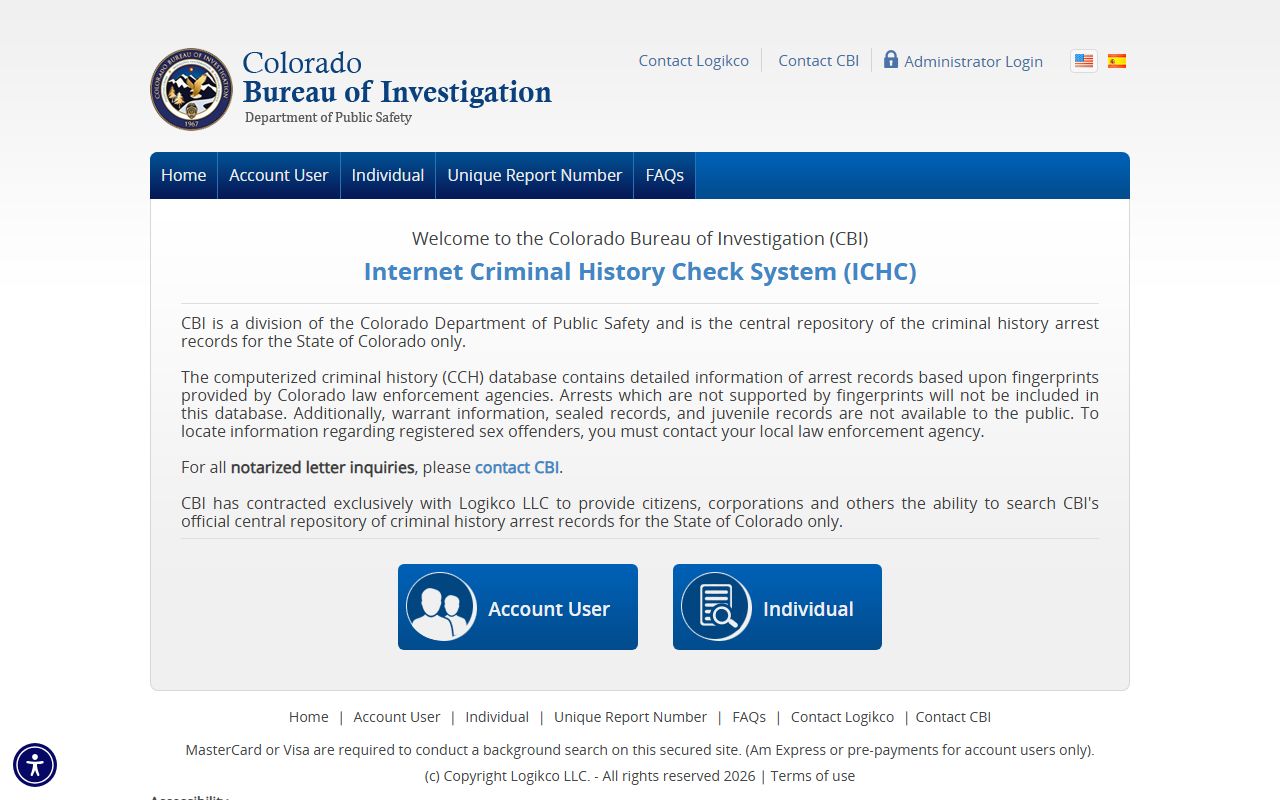
Several state agencies help with finding booking and release information in Colorado. The Colorado Bureau of Investigation serves as the central repository for criminal history records. Their database contains fingerprint-based arrest information from law enforcement agencies statewide. You can access their Internet Criminal History Check System for a small fee per search. This portal shows arrest records that support fingerprint submissions. The CBI does not include warrant details, sealed files, or juvenile matters.
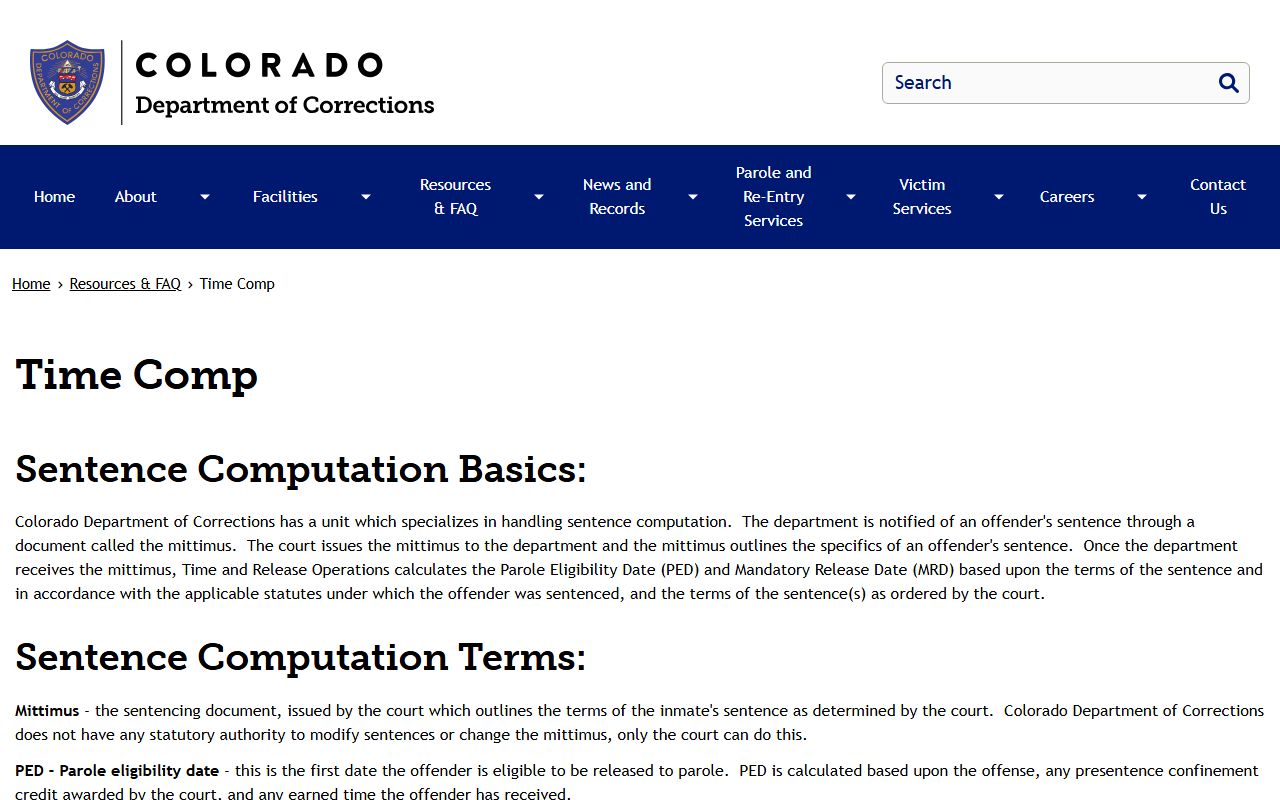
The Colorado Department of Corrections manages state prison inmates and their release dates. Their online locator tool helps you find offenders by name or DOC number. You can see parole eligibility dates and mandatory release timelines. The DOC also provides time computation resources for families tracking release schedules. Contact their open records unit for detailed departmental files on specific inmates.
Under C.R.S. § 24-72-301, criminal justice agencies must allow inspection of official action records. This statute governs how booking and release information becomes available. The law requires agencies to set a date within three working days for record access. Extensions up to ten days apply when circumstances demand extra processing time.
The Colorado Department of Public Safety oversees the CBI and sets CORA request policies. They charge maximum rates of twenty-five cents per page and forty-one dollars per hour for research work. Their website explains how to submit open records requests for public safety documents.
Finding Booking Releases at County Sheriff Offices
County sheriffs across Colorado maintain jail booking and release records for their facilities. Each office follows the Colorado Criminal Justice Records Act when handling requests. Daily logs show who enters and leaves the local detention center. These documents include names, charges, bond amounts, and release dates for all inmates. Most sheriffs provide several ways to access this information.
Larger counties often offer online portals for searching current inmates and recent releases. Adams County provides a warrant search tool and public records page on their sheriff's website. Arapahoe County uses NextRequest for electronic submissions with detailed fee schedules. Boulder County posts daily booking reports and maintains an online jail roster for public viewing. Jefferson County recently moved to a paperless system through their NextRequest platform.
Some counties charge fees for processing release record requests. Typical costs range from five to ten dollars for basic searches. Additional fees apply for extensive research or document copies. The CCJRA permits agencies to charge for actual costs of producing records. Always check with the specific sheriff's office about their current fee structure.
Smaller counties may handle requests through phone calls or in-person visits. Staff can check current custody status and recent release dates manually. Response times vary based on office size and current workload. Most rural sheriffs strive to help requesters find the information they need quickly.
Note: Each sheriff's office sets its own procedures for accessing booking release records.
Daily Jail Records Under Colorado Law
C.R.S. § 17-26-118 requires jail keepers to maintain daily records of all inmates. These logs must contain specific information about each person in custody. The law mandates public access to these records during reasonable hours. This statute ensures transparency about who occupies local detention facilities.
Required daily log information includes the inmate's full name and date of birth. Staff must record race, ethnicity, and gender for each confined person. The criminal charges and jurisdiction appear in the record along with any sentence term. Bond amounts show what payment secures release from custody. Most importantly, the release date must appear in the daily log.
The Colorado Open Records Act supplements these jail record rules. CORA establishes three working days as the standard response time for records requests. Agencies may extend to ten days when extenuating circumstances exist. The first hour of research often carries no charge for requesters. Copy fees cannot exceed twenty-five cents per standard page under state law.
City Police Department Release Records
Municipal police departments in Colorado also create booking and arrest records. When officers take someone to jail, documentation begins at the city level. These records eventually transfer to county facilities for longer-term detention. City departments maintain their own records management systems for public requests.
Colorado Springs Police Department offers an online records portal for requesting documents. Their system handles police reports, arrest records, and custody information. Fees vary based on the type and volume of records requested. Aurora Police Department uses NextRequest to process public records submissions. Their platform lets users track request status from start to finish.
Lakewood and Thornton Police Departments provide similar online request systems. Both agencies encourage electronic submissions for faster processing times. Arvada uses JustFOIA for handling records requests from the public. Each system requires account creation and detailed incident information.
Some cities charge flat fees for police report copies. Others bill hourly for research and retrieval work. Most departments require identification and signed request forms. The CCJRA allows agencies to deny records that would harm ongoing investigations.
How to Request Booking Release Records
Requesting booking release records in Colorado starts with identifying the right agency. County sheriffs hold records for jail inmates in their facilities. City police departments maintain arrest records from their jurisdictions. State prisons fall under the Colorado Department of Corrections system. Each agency has specific procedures for obtaining documents.
Online portals provide the fastest access for many records requests. Most large counties offer electronic submission systems with credit card payment options. You will need to create an account and describe the records you want. Include names, dates, and case numbers when available. The system will track your request and notify you when records are ready.
Mail requests work well for detailed or historical record searches. Write a letter explaining what information you need and why. Include your contact details and any relevant dates or names. Send payment for estimated fees along with your request. Most agencies accept checks or money orders through the mail.
In-person visits allow immediate assistance from records staff. Bring identification and any information that helps locate the records. Staff can explain fees and estimated completion times. Some records may be available for same-day viewing.
Note: The CCJRA requires a signed statement affirming records will not be used for direct solicitation of business for pecuniary gain.
Booking Photo and Records Use Restrictions
Colorado law places strict limits on how booking records may be used commercially. C.R.S. § 24-72-305.5 requires requesters to sign a pecuniary gain statement. This document affirms that records will not be used for direct business solicitation. Violation of this requirement constitutes an unclassified misdemeanor offense.
Booking photographs carry additional restrictions under state law. It is unlawful to obtain mugshots knowing they will be posted to websites demanding payment for removal. This prohibition targets businesses that exploit arrest records for profit. Penalties include fines up to one thousand dollars for violators. The law protects individuals from commercial exploitation of their booking images.
These restrictions do not prevent legitimate uses of booking release records. News organizations may report on arrests and releases. Legal professionals may access records for case preparation. Family members may track custody status of loved ones. The limits focus on commercial exploitation rather than public information access.
Booking Release Records by County
Each Colorado county maintains booking and release records through the sheriff's office. Select a county below to find local resources and contact information.
Booking Releases in Major Colorado Cities
City police departments work with county facilities to process arrests and releases. Select a city to learn about local records resources.